

How To Change Template Sketchup
In Function 1 of this series, I showed how to gear up the SketchUp file that volition be saved as a 3D press template.
In this mail service, I'll evidence how to save this file as a template, and how to kickoff a new file using this template.
Save as Template
The file from Part 1 contained an imported model of a 3D printer (though y'all could just equally hands create a simple box representing your print bed). The printer model sits on its ain layer. And at that place are two scenes – one for showing the printer, i for hiding information technology.
Before you salvage, make sure what you lot want displayed is displayed. Click the "Makerbot" scene so that the printer is showing.
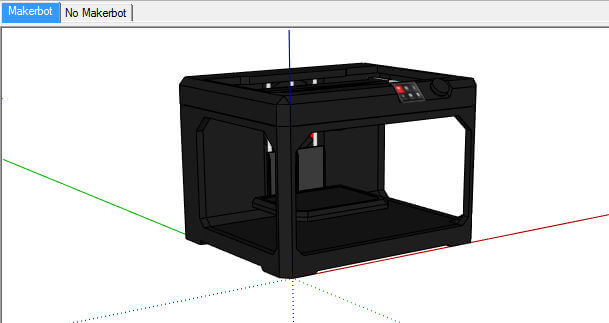
If y'all want to change edge properties, default face colors, or testify or hide axes, now's the time to do all that. The Styles window is where y'all'd make these changes. (The View card has some of these brandish options every bit well.)
When the file looks like the template y'all want, choose File / Save equally Template from the master menu. Give your template a name. If yous want to use this template equally the default each time you use SketchUp, cheque that box. Then click Save. That'due south all in that location is to information technology.
SketchUp saves this file to a hidden binder, to prevent you from messing with the templates. (You can Google "SketchUp template folder" if you demand to observe out where they're hidden away.)
Using the Template
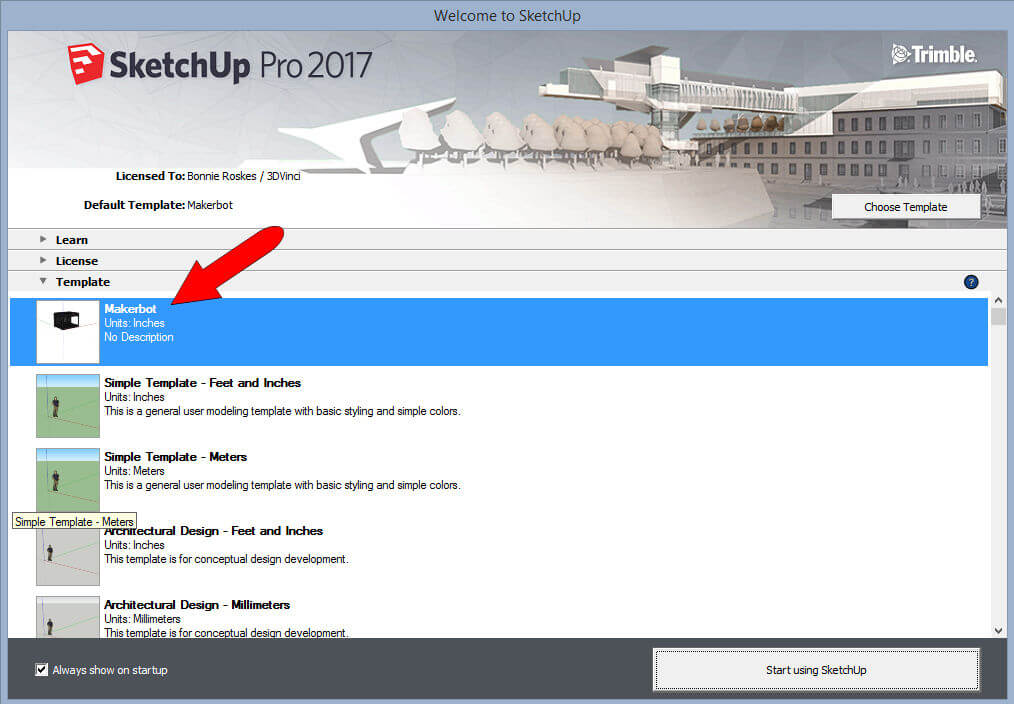
Close SketchUp, or if SketchUp's yet open, choose Help / Welcome to SketchUp.
Your template appears in the template list. Choose it, then click Offset using SketchUp. (If SketchUp is already open, the new template will be used the next time you create a new file.)
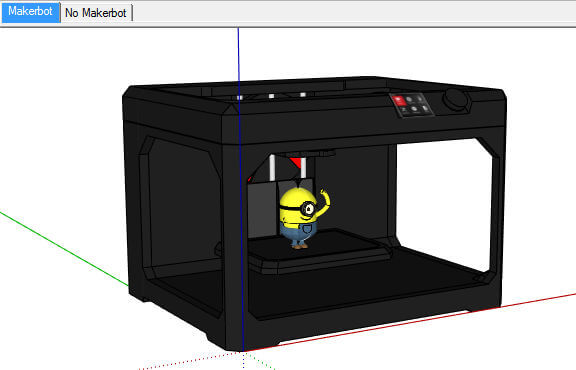
Here's my 3D printing template, with its Makerbot set up for a 3D printing project. I found a minion model in the 3D Warehouse, and used the Scale tool to make it fit on the Makerbot's print bed.
In one case you lot have the model's scale established, y'all can click the "No Makerbot" tab to blank the printer itself. That frees up your display to piece of work on the 3D impress model itself.
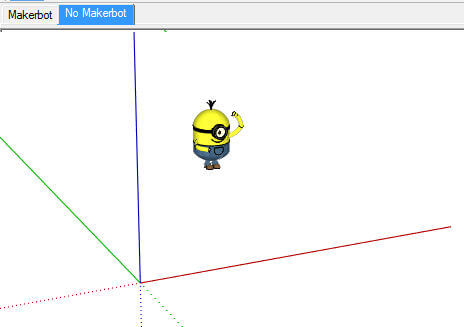
(Yous can't send a SketchUp model directly to a 3D printer – it must exist converted to STL format first. Come across our mail on how to exercise that. When converting to STL, make certain the printer isn't showing, or it will exist included in the file conversion!)
Something to go along in mind – deleting templates isn't quite every bit easy as creating them. You'll have to dig into hidden folders. If you demand to do this, just Google "delete SketchUp template" and get your instructions.

How To Change Template Sketchup,
Source: https://danieltal.com/creating-template-part-2-saving-using/
Posted by: alonsosook1999.blogspot.com
0 Response to "How To Change Template Sketchup"
Post a Comment